
Once known for the clatter of pickaxes and the glimmer of gold, the regional town of Eldersford has shed its former skin to become an unlikely focal point for the arts. Located in the heartland far from the city’s bustle, Eldersford’s transformation into a vibrant cultural destination is not only rewriting its history but also inspiring a regional renaissance that echoes throughout the country.
Eldersford’s origins trace back to the 1800s, when gold was discovered in its riverbeds, attracting hopeful miners and fortune-seekers from across Australia. Remnants of abandoned mine shafts and rustic timber shacks still dot the landscape, bearing witness to a time when prosperity depended on the yield of the earth. Today, however, the gold rush spirit has turned from extraction to creativity and exhibition.
This shift was sparked a decade ago when local council member Fiona Murphy noticed disused shopfronts and declining community morale. “It was clear Eldersford needed a revival,” she explained. Her vision to foster an arts-led regeneration began with small grants supporting local artists. Soon, formerly vacant buildings buzzed with the creation of murals, installations, and pop-up studios.
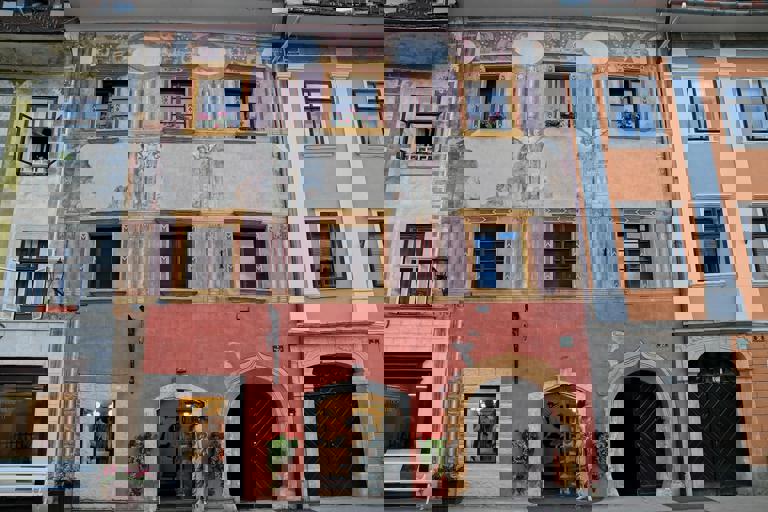
The centrepiece of Eldersford’s new identity is its street mural project, which has blanketed formerly drab facades with vibrant, large-scale artworks. These murals, painted by both local and visiting artists, reflect themes from the town’s mining past alongside scenes of contemporary life. They have become a major draw for tourists and art-lovers seeking Instagram-worthy backdrops and glimpses into the evolving community spirit.
Adding to the town’s visual appeal, several amateur and professional galleries have sprung up in recent years. The Old Smelter Gallery, housed in a restored heritage building, now hosts rotating exhibitions that showcase regional talent and offer workshops on printmaking, pottery, and mixed media. Gallery coordinator Samuel Wright notes, “We’re seeing more participation from young people and newcomers than ever before; it’s truly become a creative melting pot.”
Music, too, now courses through Eldersford’s veins. The town’s annual SoundVault Festival, launched five years ago, draws crowds from around the country to enjoy indie, folk, and electronic performances held in historic halls and open-air stages. Festival director Tara Leung says, “We’re immensely proud of how SoundVault not only entertains but also provides a platform for emerging musicians to connect and grow.”
With the arts scene flourishing, accommodation providers have noticed a shift in clientele. Where once miners and their families lodged in modest rooms, now boutique guesthouses and refurbished miners’ cottages cater to visitors attending gallery launches or music events. Local innkeeper Michael Hanley reveals, “We used to have quiet weekends. Now, during festival season or major exhibitions, we’re booked out months in advance.”
This cultural resurgence has had noticeable economic impacts on the town. According to a 2023 report by the Regional Development Authority, tourism in Eldersford has increased by 40 percent over five years, contributing $4.1 million annually to the local economy. This growth supports not only artists and musicians but also cafes, retail businesses, and tour operators exploring the intersection of Eldersford’s mining and artistic heritage.
Residents have felt the social benefits as well. Community engagement has soared, with locals volunteering at arts events, leading mural tours, and participating in collaborative projects. Longtime resident Grace Hendry describes the shift: “There’s a new sense of pride here. People who once planned to leave now want to invest in the town’s future and share in its creative energy.”
The town’s reinvention has also received attention from urban planners and policymakers across the country. Experts see Eldersford as a model for regional revitalisation, with arts-led projects breathing life into communities that once faced dwindling populations and economic uncertainty. Jane Parker, a lecturer in community planning, notes, “Eldersford demonstrates how art can serve as a catalyst for renewal, especially in locations with rich histories to build upon.”
Despite its successes, sustaining momentum remains a challenge. Funding for public art and festivals requires ongoing commitment, and artists must balance creative vision with commercial viability. Collaboration between the council, private sponsors, and volunteers has been crucial, ensuring inclusivity and transparent decision-making as new projects are proposed and developed.
Looking ahead, Eldersford’s leaders plan to expand their artistic reach. Plans are underway for a sculpture trail connecting the outskirts to the centre of town, and there’s talk of launching an artist-in-residence program inviting national and international creatives to immerse themselves in Eldersford’s culture. These initiatives aim to keep the arts scene dynamic and prevent stagnation as interest grows.
Critically, Eldersford’s journey resonates beyond the visual and performing arts. The revival has prompted broader discussions around preserving history while embracing innovation, igniting local school programs on heritage interpretation and creative industries. The town’s ability to weave its gold-mining legacy with contemporary cultural expression stands as proof of regional resilience and adaptability in changing times.