
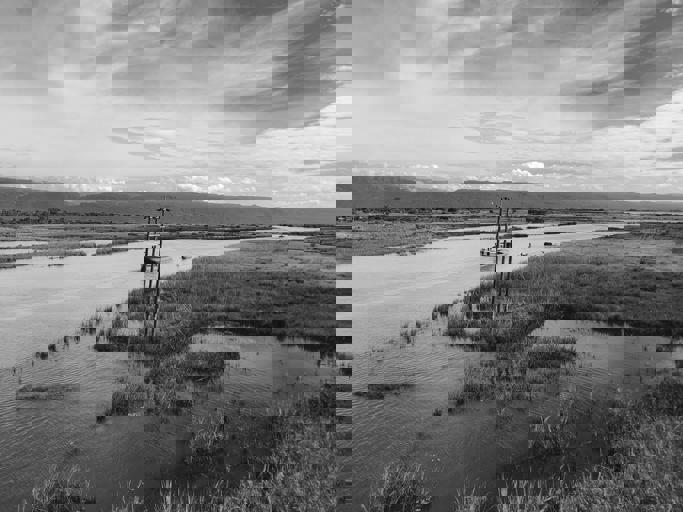
A sense of excitement has rippled through local communities after several rare platypus sightings were reported along the river banks in the past week. For years, residents had lamented the absence of these elusive creatures, whose quirky appearance and shy habits have made them a beloved, if seldom glimpsed, part of Australia's natural heritage. Now, both amateur enthusiasts and seasoned wildlife observers are gathering in hopes of catching a glimpse of the iconic mammal.
These recent sightings have sparked interest among environmental groups, who are keenly watching for indications that the platypus population might be making a quiet comeback. 'It’s incredibly encouraging,' said Dr. Emily Carter, a wildlife ecologist who has studied monotremes for over a decade. 'Their reappearance suggests the river's ecosystem is healthier than we thought, though we need to monitor closely to understand the full picture.'
Wildlife photographers have also flocked to the riverside, hoping to capture one of the most challenging animals in the wild on camera. Renowned photographer Paul Jenkins shared, 'I've spent years tracking platypuses without any luck. To have multiple sightings in just a few days is unheard of in this area.' He explained that platypuses are typically nocturnal and shy, making them notoriously difficult subjects to photograph.
The area in question had previously suffered from droughts and pollution events, which experts believe contributed to the near disappearance of platypus habitats. Efforts by community groups to rehabilitate the riverbanks—removing litter, restoring native vegetation, and reducing run-off—may now be paying dividends. Observers have noted that the water appears clearer, and aquatic insect life, a vital food source for platypuses, seems more abundant.
For local families, the sightings have brought a rare chance for outdoor adventure and education. Parents have reported bringing their children to the riverbanks at dawn and dusk, times when the platypus is most active, in hopes of witnessing their unique diving manoeuvres. The experience, according to many, has deepened appreciation for wildlife and spurred conversations about conservation at home.
Not all experts, however, are ready to declare a full recovery for the local platypus population. Dr. Carter cautions that it is too soon to know whether these sightings represent a genuine increase in numbers or simply more vigilance in observation. 'We need longer-term data before we can draw concrete conclusions,' she noted, though she is optimistic about the positive trajectory.
The local council has responded quickly, putting up informational signs along popular sections of the river that highlight platypus habits and outline the dos and don’ts of ethical wildlife watching. 'We want to balance excitement with responsibility,' said council member Janet Williams. 'Encouraging respectful behaviour will help ensure both people and platypuses can enjoy the river safely.'
Australia’s platypuses have long fascinated scientists and the public alike. Known for their duck-bill, webbed feet, and egg-laying reproduction—a rarity among mammals—they are classified as "Near Threatened" by the International Union for Conservation of Nature (IUCN). Main threats include habitat destruction, water pollution, and climate change, all factors closely watched by researchers following these recent local appearances.
Local businesses have also benefited from the increased foot traffic, as riverside cafes and supply shops report an uptick in visitors seeking refreshments or binoculars for their platypus-spotting expeditions. Some have even hosted informal outdoor talks with wildlife experts, helping to further educate the public about the importance of river conservation and biodiversity.
Looking ahead, environmental groups and government bodies plan to expand citizen science initiatives to monitor platypus populations more rigorously. Residents are encouraged to report sightings through dedicated online platforms, contributing valuable data for researchers. As hope grows that the platypus may once again become a regular feature of the region, the community finds itself united by a renewed sense of wonder and stewardship for Australia’s unique wildlife.